
As the maritime industry continues to embrace digitalization and advanced technologies, there is a growing concern that the human element is being overlooked. While data-driven systems and automation are improving efficiency, they cannot replace the experience, judgment, and resilience of seafarers.
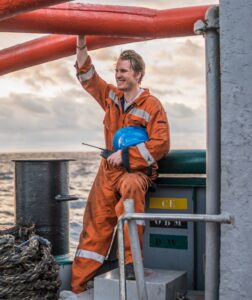
Industry insights highlight a critical gap—many organization’s rely heavily on structured data and reporting, often missing the real experiences of crew onboard. This disconnect can create risks, as issues like fatigue, stress, and operational challenges may go unnoticed until they escalate.
Seafarers remain the backbone of global trade, handling complex operations under demanding conditions. Despite their vital role, increasing workloads, long periods at sea, and limited support systems are raising concerns about safety, well-being, and retention in the industry.
To build a safer and more sustainable maritime future, companies must strike a balance between technology and human capability. Investing in crew welfare, encouraging open feedback, and strengthening onboard safety culture are no longer optional—they are essential.
Conclusion
The future of shipping depends not just on smarter systems, but on valuing and empowering the people who keep the industry moving. A truly resilient maritime sector is one that places its seafarers at the heart of every operation.